
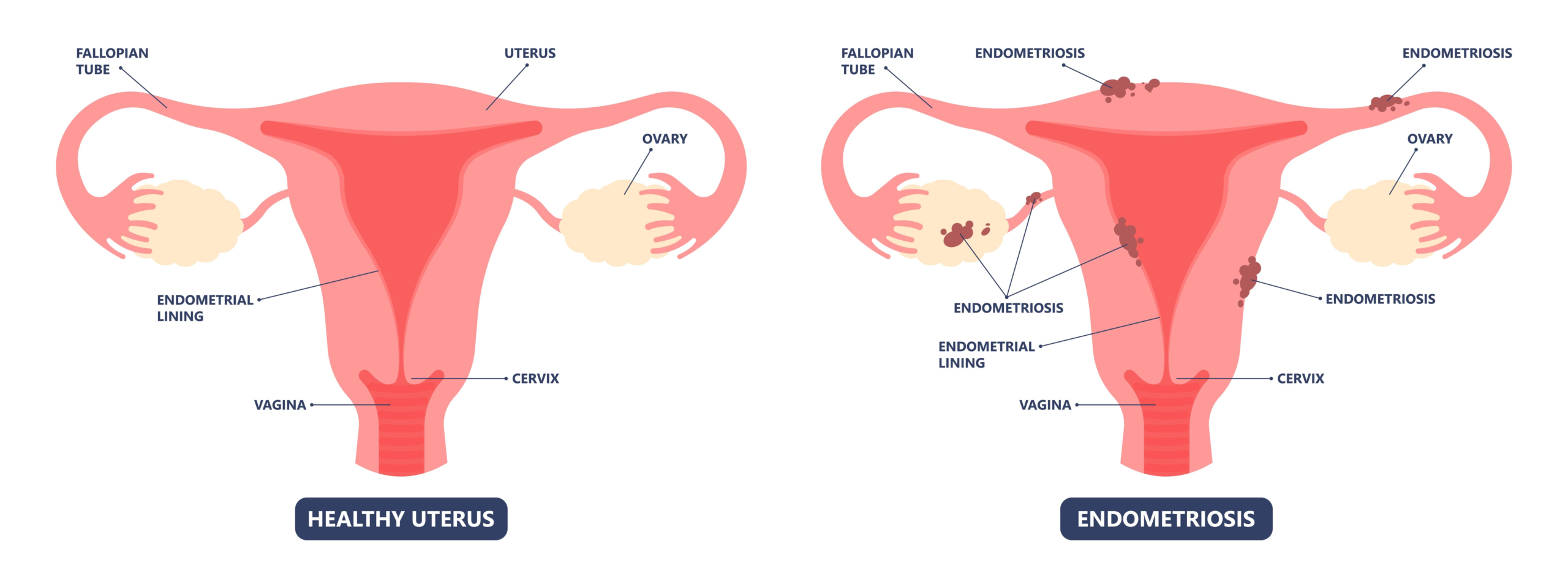
Endometriosis is a painful condition in which tissues like those of the inner lining of the uterus grow outside the uterus. It usually affects the fallopian tubes, the ovaries and the tissues lining the pelvis. On rare occasions, endometriosis can grow outside the pelvic area. Endometriosis affects 10-15% of women of reproductive age. When endometriosis involves the ovaries, it forms chocolate cysts called endometriomas. Endometriosis can cause pain, especially during menstruation. Fertility problems may even occur. A lot of people focus on treatments; however, there are hidden triggers that could make endometriosis worse. Here are seven hidden triggers that make endometriosis worse.
1. Inflammatory Foods
Studies show that foods high in trans-fat are associated with a higher risk of endometriosis. Red meat (processed and unprocessed) is also associated with a higher risk of endometriosis. Dairy products contain estradiol and palmitic acids and are also associated with a higher risk of endometriosis. Dietary fat can raise estrogen, and since endometriosis is sensitive to estrogen, this can trigger it or make it worse. Other inflammatory foods include foods high in sugar, alcohol and gluten. Researchers found that cutting down on inflammatory foods could improve endometriosis pain. However, eating more fibre, healthy fats, magnesium, and zinc can help you manage endometriosis.
2. Hormonal Fluctuations
Endometriosis is highly estrogen-dependent. High estrogen production is seen in endometriosis. Estrogen exposure is crucial in the development of endometriosis via estrogen receptors. Fluctuations of hormones can contribute to endometriosis symptoms. Synthetic xenoestrogens found in the environment, certain medications, body fat, stress, alcohol, and liver problems may increase estrogen load. Low-impact exercises, fibre and limiting alcohol intake are examples of simple balancing strategies.
3. Stress
Stress can affect estrogen levels, which can worsen symptoms of endometriosis. Stress increases the levels of cortisol. Since cortisol and progesterone share the same precursor, high stress may reduce progesterone, which can go on to increase estrogen levels. High estrogen levels can go on to feed endometriosis lesions, thereby exacerbating its symptoms.
4. Certain Medications
Medications, like those containing estrogen, can influence endometrial tissue. Some medications that contain estrogen, like some birth control pills, hormone replacement therapy, and fertility drugs, can exacerbate endometriosis symptoms. Steroids or some drugs that disrupt the immune system can influence inflammation. Talk to a health care professional before making any changes.
5. Sedentary Lifestyle
A sedentary lifestyle can worsen inflammation, circulation and pelvic pain. On the other hand, strenuous exercise like high-impact workouts can lead to a flare-up. Make sure to find a balance by doing some low-impact activities like walking, stretching and other gentle exercises.
6. Lack of Quality Sleep
Lack of sleep can play a role in the progression of endometriosis and increased pain. Treating insomnia would reduce the inflammatory and pain related part of endometriosis. Make sure to stick to a consistent sleep schedule, create a comfortable environment, and avoid napping late in the day.
7. Environment Toxins
Air pollution has been linked with an increased risk endometriosis by increasing inflammation, hormonal imbalance, and oxidative stress. Exposure to chemicals, pesticides, or plastics may play a role in endocrine disruption. BPA, phthalates, dioxins, DDT, are among the environmental triggers for endometriosis. Limiting exposure and use of these toxins can help limit triggers.
Not all triggers affect everyone the same. Talk to a healthcare professional before making any lifestyle changes. Remember, small changes can have a positive impact on your health.
References
- Alexandre Vallée, Pierre-François Ceccaldi, Carbonnel, M., Anis Féki, & Ayoubi, J.-M. (2023). Pollution and endometriosis: A deep dive into the environmental impacts on women’s health. Bjog: An International Journal of Obstetrics and Gynaecology, 131(4). https://doi.org/10.1111/1471-0528.17687
- Barnard, N. D., Holtz, D. N., Schmidt, N., Kolipaka, S., Hata, E., Sutton, M., Znayenko-Miller, T., Hazen, N. D., Cobb, C., & Kahleova, H. (2023). Nutrition in the prevention and treatment of endometriosis: A review. Frontiers in Nutrition, 10(1). https://doi.org/10.3389/fnut.2023.1089891
- Brighten, D. J. (2024, May 31). Endometriosis Flare-Up Symptoms, Triggers, and Tips for Relief. Dr. Jolene Brighten. https://drbrighten.com/endometriosis-flare-up/
- Chantalat, E., Valera, M.-C., Vaysse, C., Noirrit, E., Rusidze, M., Weyl, A., Vergriete, K., Buscail, E., Lluel, P., Fontaine, C., Arnal, J.-F., & Lenfant, F. (2020). Estrogen receptors and endometriosis. International Journal of Molecular Sciences, 21(8), 2815. https://doi.org/10.3390/ijms21082815
- Cleveland Clinic. (2022, February 9). High Estrogen: Causes, Symptoms, Dominance & Treatment. Cleveland Clinic. https://my.clevelandclinic.org/health/diseases/22363-high-estrogen
- Interdonato, L., Siracusa, R., Fusco, R., Cuzzocrea, S., & Di Paola, R. (2023). Endocrine Disruptor Compounds in Environment: Focus on Women’s Reproductive Health and Endometriosis. International Journal of Molecular Sciences, 24(6), 5682. https://doi.org/10.3390/ijms24065682
- Ishikura, I. A., Hachul, H., Pires, G. N., Tufik, S., & Andersen, M. L. (2020). The relationship between insomnia and endometriosis. Journal of Clinical Sleep Medicine, 16(8), 1387–1388. https://doi.org/10.5664/jcsm.8464
- Mayo Clinic. (2024, August 30). Endometriosis. Mayo Clinic. https://www.mayoclinic.org/diseases-conditions/endometriosis/symptoms-causes/syc-20354656
- Middleton, A. (2024, July 2). The Link Between Adrenal Dysfunction and Endometriosis – Alexandra Middleton. Alexandra Middleton. https://www.alexandramiddleton.com.au/the-link-between-adrenal-dysfunction-and-endometriosis/
- Tsamantioti, E. S., & Mahdy, H. (2023). Endometriosis. PubMed; StatPearls Publishing. https://www.ncbi.nlm.nih.gov/books/NBK567777/